
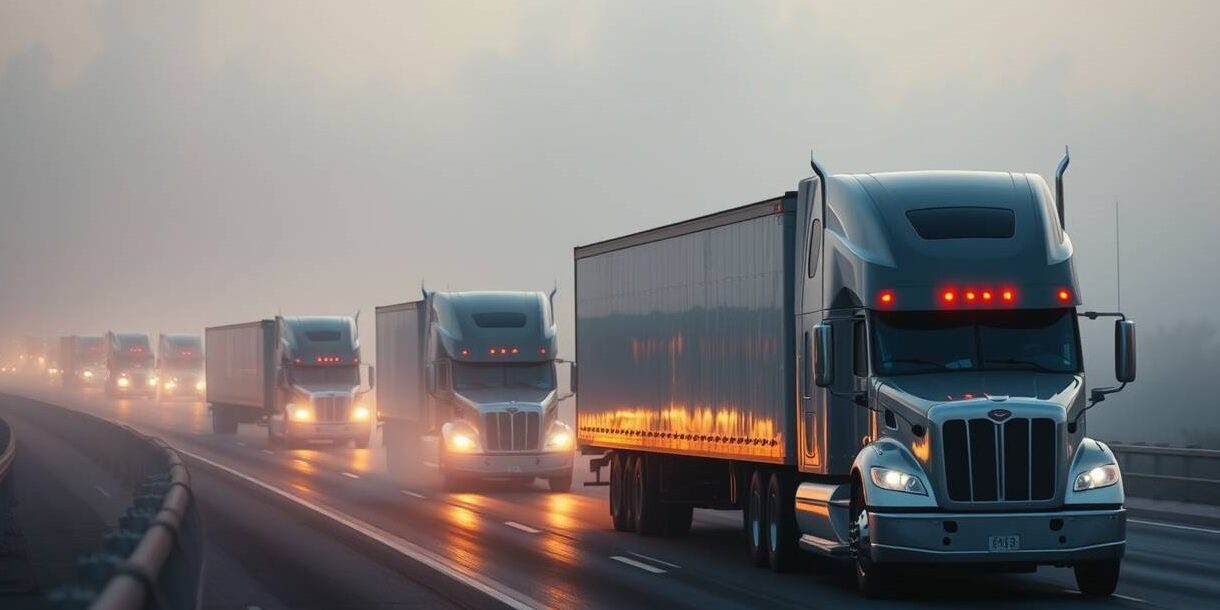
In the world of freight and logistics, choosing the right shipping method can directly impact your costs, delivery times, and overall efficiency. Two of the most common options are LTL (Less-Than-Truckload) and FTL (Full Truckload). While both move goods from point A to point B, they operate very differently.
LTL (Less-Than-Truckload)
LTL shipping is designed for smaller freight that doesn’t require an entire trailer. Multiple shipments from different businesses are combined into one truck, allowing shippers to reduce overall costs.
Key benefits of LTL include:
* Cost-effective for smaller loads
* Pay only for the space you use
* Flexible for frequent, lower-volume shipments
Because freight is combined with other shipments, LTL often involves multiple stops, transfers, and handling points. This can lead to longer transit times and a slightly higher risk of damage.
What Is FTL (Full Truckload)?
FTL shipping means your freight fills—or reserves—an entire truck. The shipment typically moves directly from pickup to delivery with little to no stops in between.
Key Benefits of FTL:
* Faster transit times due to direct routes
* Less handling, reducing risk of damage
* Ideal for large, high-volume, or sensitive shipments
FTL can be more expensive if you don’t have enough freight to justify using the entire truck.
Key Contrasts and Differences Between LTL and FTL
• Shipment Size: LTL is for smaller loads; FTL is for large or full shipments
• Cost Structure: LTL is shared-cost; FTL is a flat rate for the whole truck
• Transit Time: LTL is typically slower; FTL is faster and more direct
• Handling: LTL involves more touchpoints; FTL minimizes handling
The right choice for your company depends on your specific shipping needs. If you’re moving smaller quantities and want to keep costs down, LTL is often the best fit. On the other hand, if speed, security, or volume is a priority, FTL may deliver better value.
Understanding the difference between LTL and FTL is key to building a more efficient supply chain. By aligning your shipping strategy with your freight size, timeline, and budget, you can reduce costs while improving delivery performance.
